
- Home
- Liquor Control Act Enforcement
2016 BC Liquor Control and Licensing Act Contravention Statistics
From time-to-time the Liquor Control and Licensing Branch releases compliance and enforcement statistics. The most recent statistics on licensee contraventions of BC’s liquor laws are for the period between January and October, 2016. Alcohol & Advocacy has previously written on this issue for the period between January, 2010 and December, 2013, and that article can be found here.
Overcrowded Bars and the Importance of Due Diligence
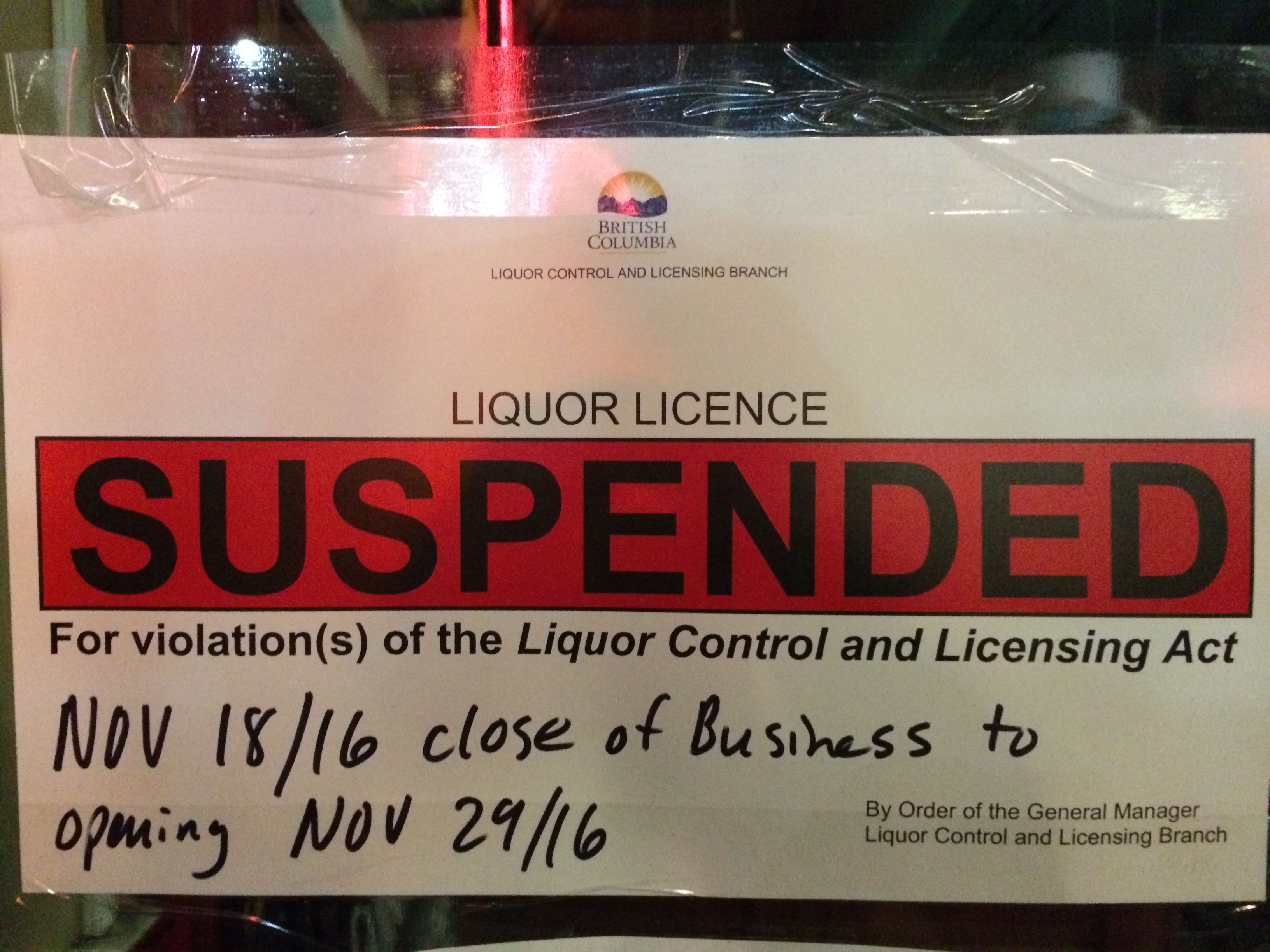
On October 20, 2016 the Liquor Control and Licensing Branch suspended the food primary liquor licence of Johnnie Fox’s Irish Snug for a period of ten days. The reasons for the Branch’s decision in Re 641486 B.C. Ltd. dba Johnnie Fox’s Irish Snug can be read here.
Internet Alcohol Sales now Permitted in British Columbia
Every day British Columbians head to the internet to do their shopping, even for perishable goods like groceries and flowers, and they expect to have the products they purchase delivered to their door. Now, (finally) they can do the same for all their beer, wine and spirits needs.
Liquor Law Appeals Part 2 – The Cambie Malone’s Corporation
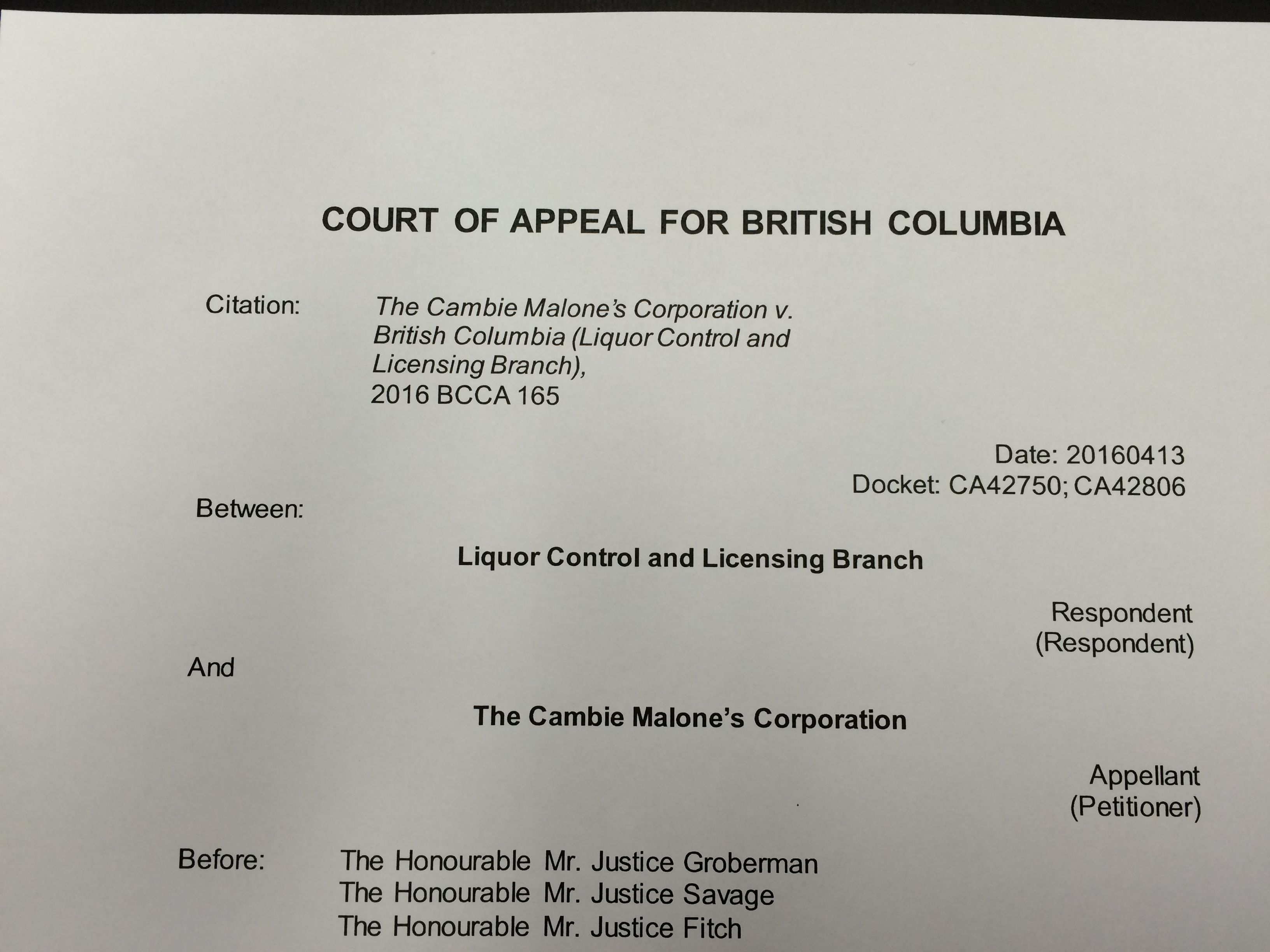
On April 13, 2016 the British Columbia Court of Appeal released its reasons in The Cambie Malone’s Corporation v. British Columbia (Liquor Control and Licensing Branch).
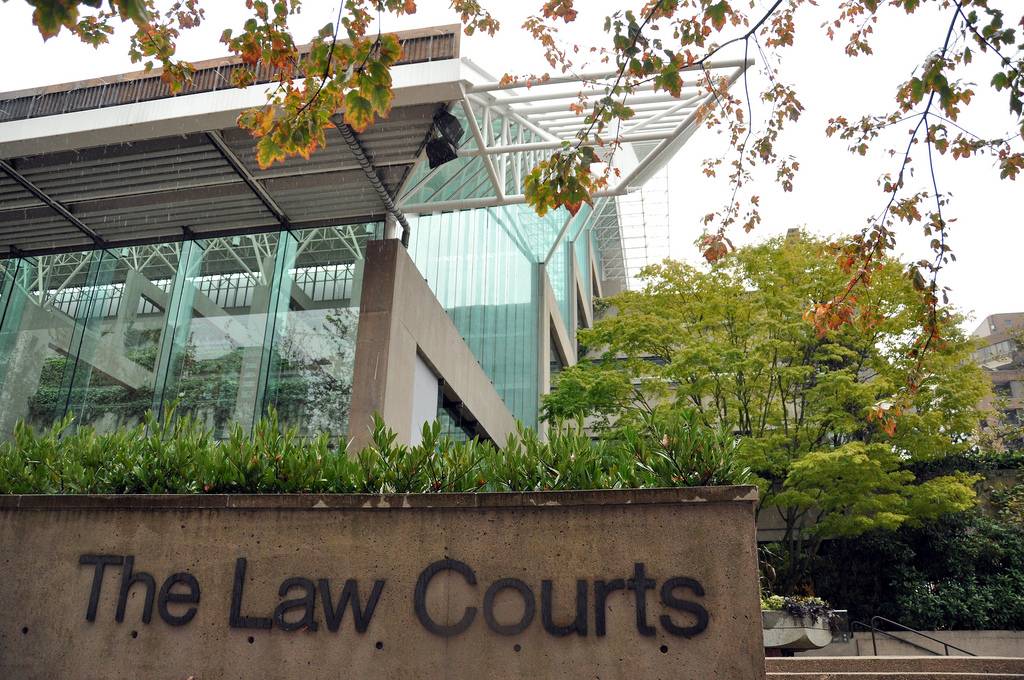
Liquor Law Appeals Part 1 – Judicial Review
British Columbia’s liquor licensing regime is administered by the general manager – an individual appointed under the Public Service Act by the cabinet minister responsible for the Liquor Distribution Branch, which is currently part of the Ministry of Small Business portfolio. The general manager, and the staff he or she delegates powers and responsibilities to, have significant impact on the way liquor laws are developed and applied in British Columbia.
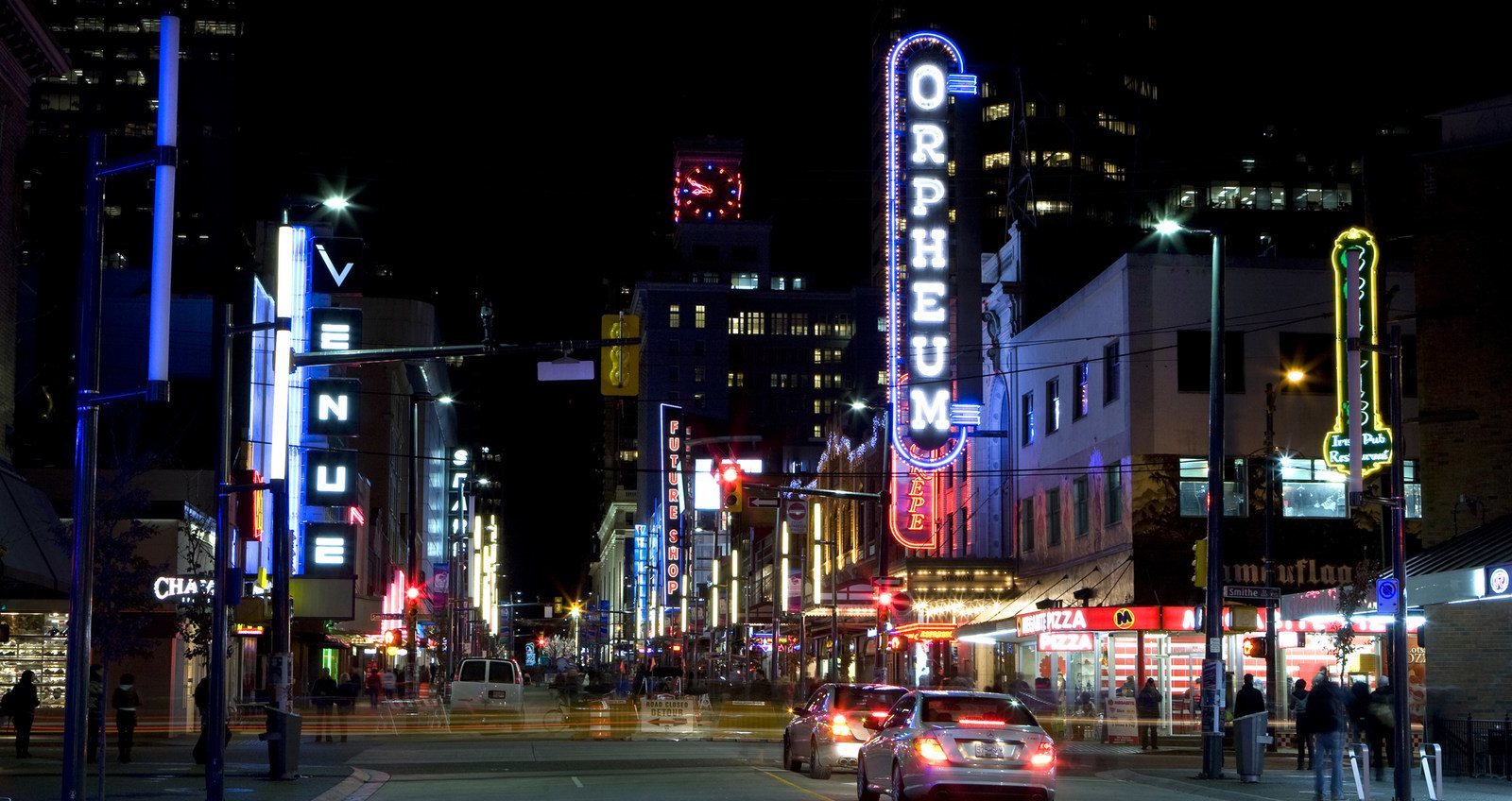
How to Lose your Liquor Licence for 15 days
On May 20, 2016 the general manager of the Liquor Licensing and Control Branch issued its decision in Re Caprice Hospitality Inc. dba Caprice Nightclub ordering a 15 day suspension of the popular Vancouver nightclub’s liquor primary licence. The decision can be found here.
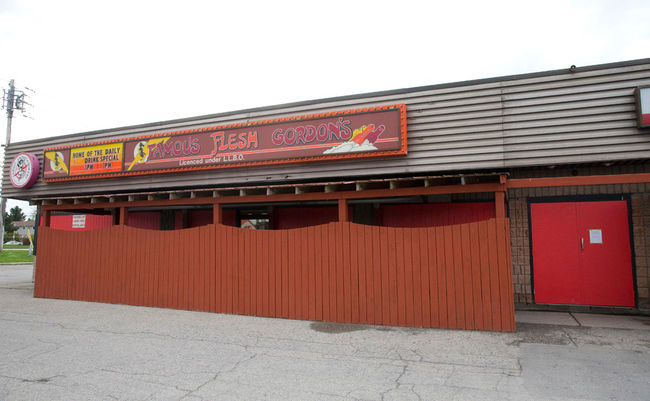
Gangsters and Strippers and Liquor Law: The Story of Famous Flesh Gordon’s
Alcohol & Advocacy has previously considered what it means to be a fit and proper person for the purpose of holding a liquor licence in British Columbia: the criteria are broad and the discretion is great. Many of the criteria relate to an assessment of what the licence applicant has actually done, such as having a criminal record or committing violations of the Liquor Control and Licensing Act. But what about the less objective criteria – such as being “of good reputation and character” or being “associated” with people involved in criminal activities? How do regulators interpret those requirements?
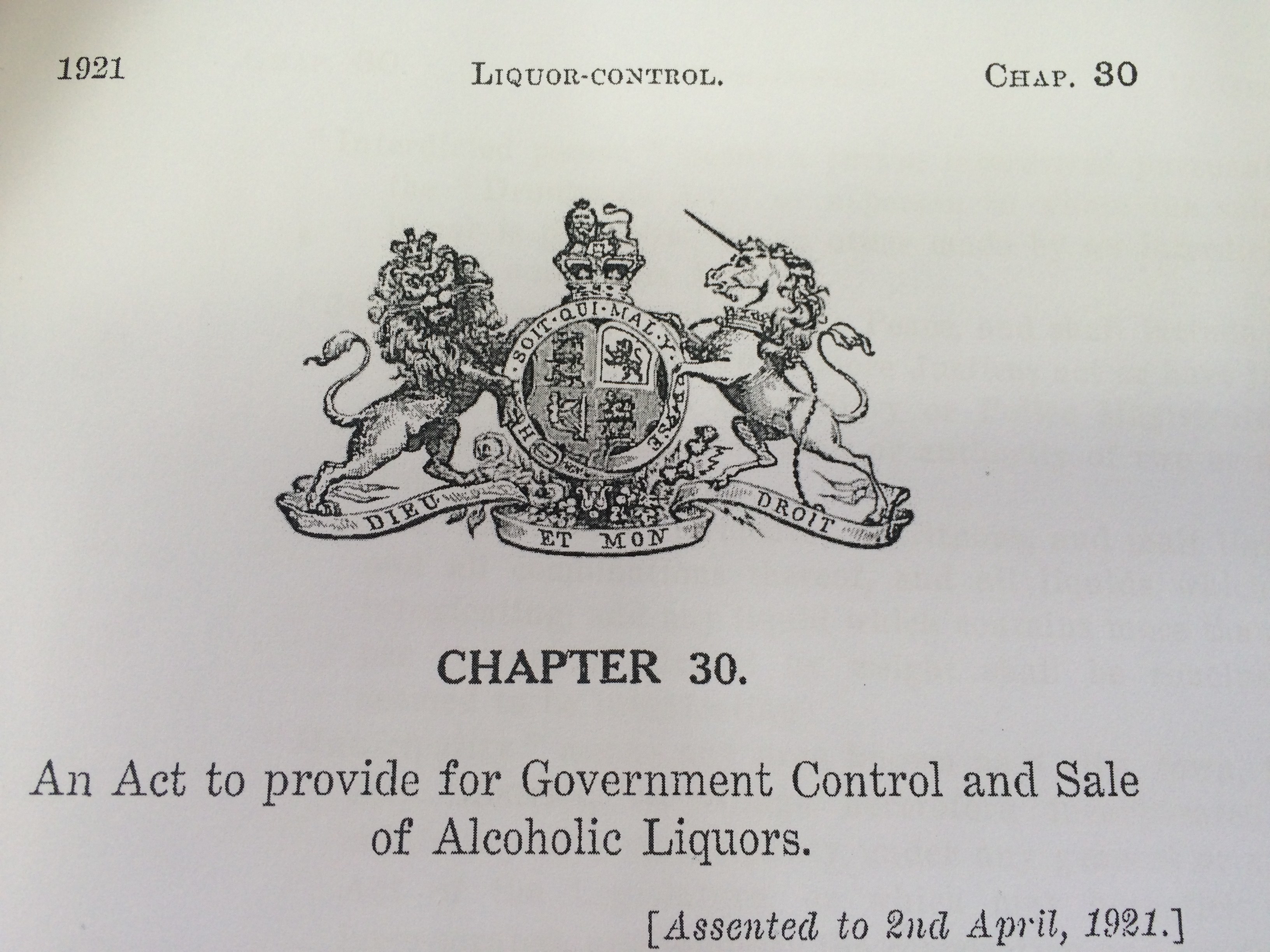
Top Ten Liquor Laws from 1921
On October 1, 1917 British Columbia “went dry”, giving way to the pressure of the temperance movement sweeping the nation. Less than four years later the ineffective and corrupt Prohibition regime came to an end on June 15, 1921 when an Act to provide for Government Control and Sale of Alcoholic Liquors came into force, known by its short title the Government Liquor Act.
Re Generator Cabaret: The Importance of Cooperating with Police and Liquor Inspectors
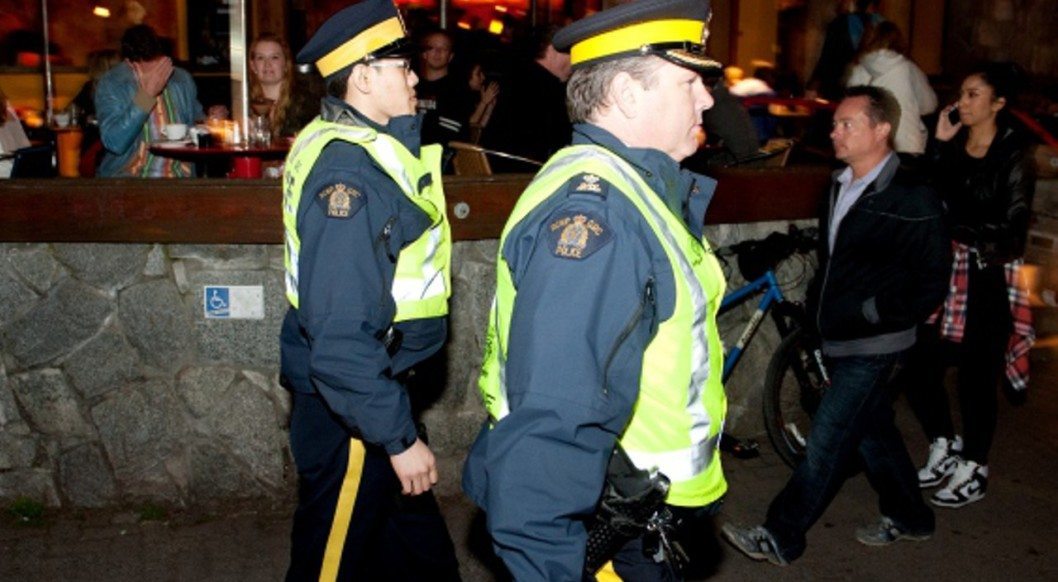
On November 6, 2015 the general manager of the Liquor Control and Licensing Branch issued its decision in re Generator Cabaret case number EH15-017.
Sir, I Think You’ve Had Enough
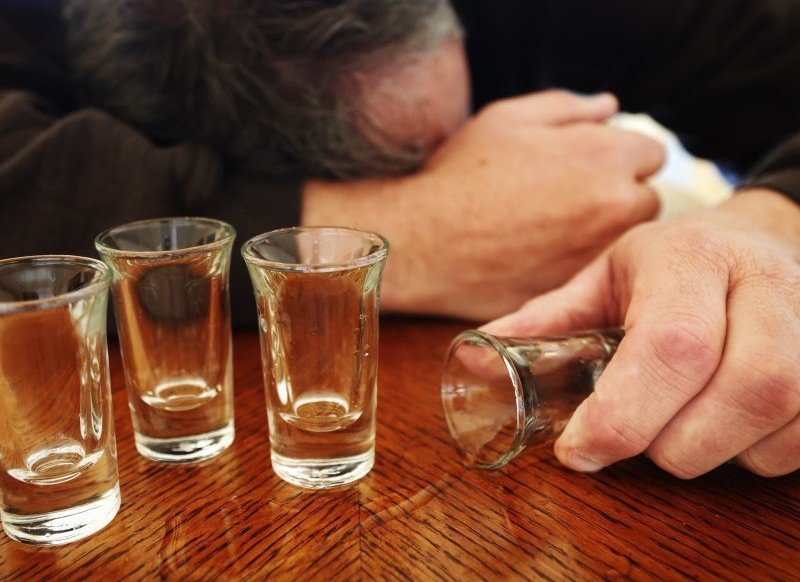
Spend enough time in a bar (on either side of the pine) and you’ll eventually hear those words. In some establishments you hear them more than others. So what happens when a patron has had too much to drink, or is being unruly, and the bartender decides it’s time for him or her to move along?