
- Home
- Author's Archive:
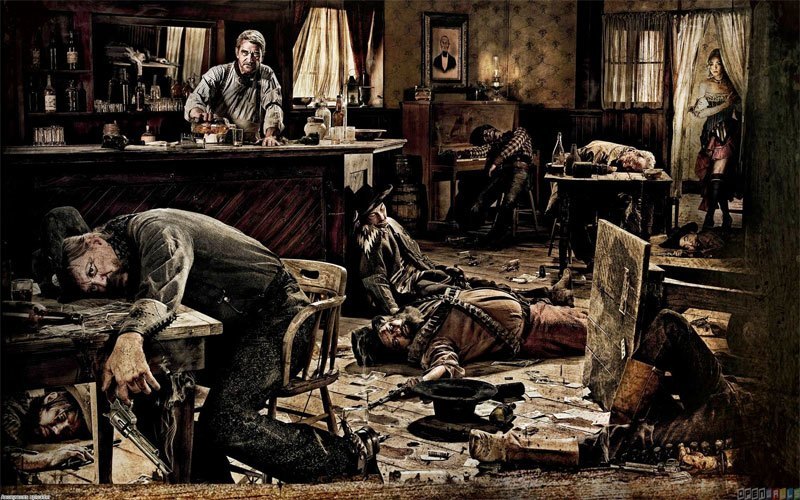
Commercial Host Liability: Can your Establishment be held liable for a Bar Fight?
I worked behind a busy bar for a large part of my twenties, and while I saw some pretty crazy stuff, I was fortunate not to encounter any serious violence while on the job. Though I dealt with police and liquor inspectors from time-to-time, it was never the result of a bar fight.

Re the Cambie: The Supreme Court & Liquor Branch Requests
On April 23, 2015 the Supreme Court of British Columbia released its reasons in The Cambie Malone’s Corporation v. British Columbia (Liquor Control and Licensing Branch).
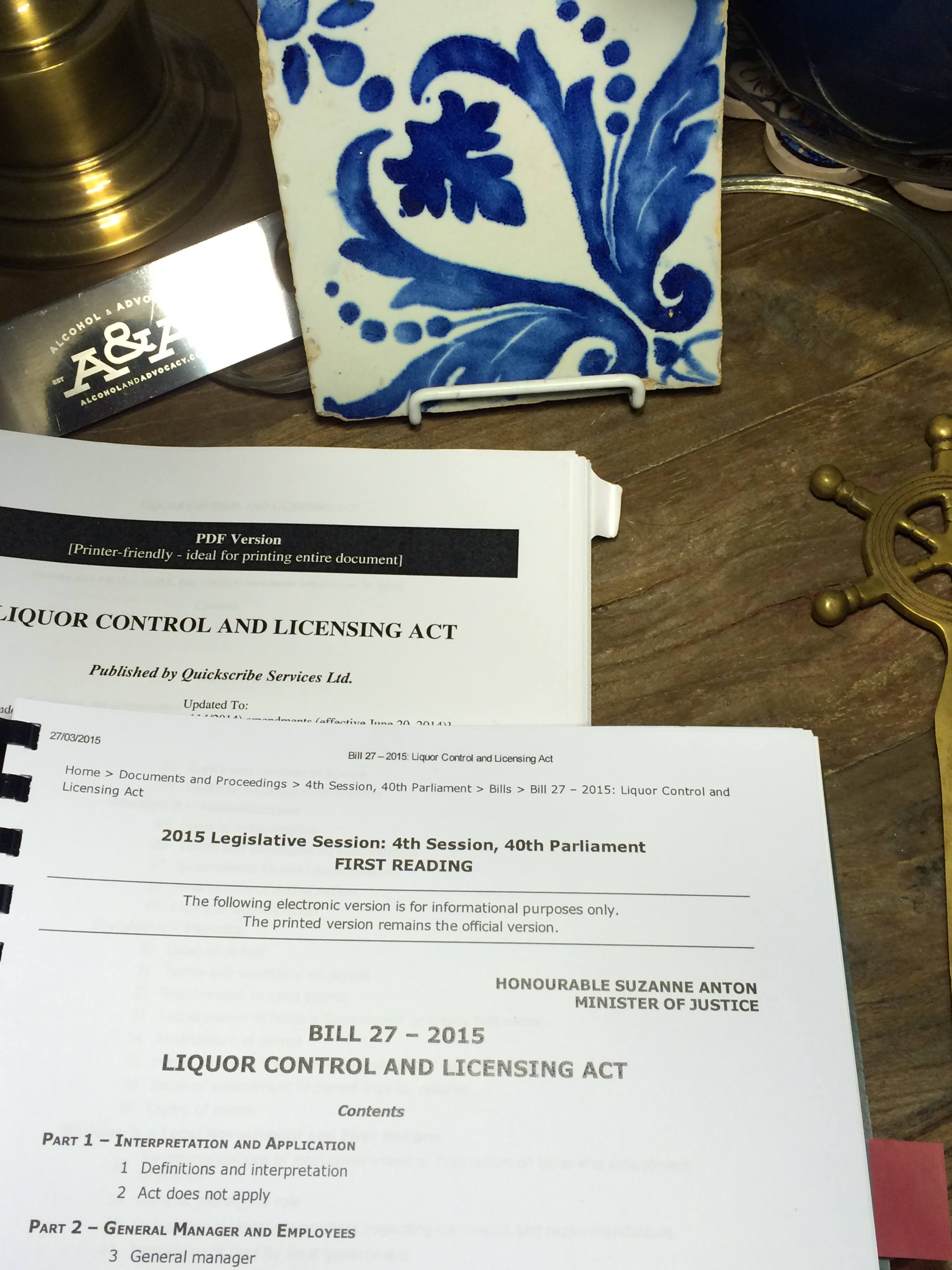
The “new” Liquor Control and Licensing Act Laws
Government Bill 27, what will become the “new” Liquor Control and Licensing Act has been available online for almost a month now, and while the language that appears in Bill 27 will probably become law without significant revision, it is important for industry stakeholders to understand that process. Though much of the criticism and confusion surrounding the implementation of last year’s Final Report is well placed, some of it stems from the public’s lack of understanding of the legislative process. If you have serious concerns about liquor law reform in this province, now is the time to contact your MLA and engage in the political process.
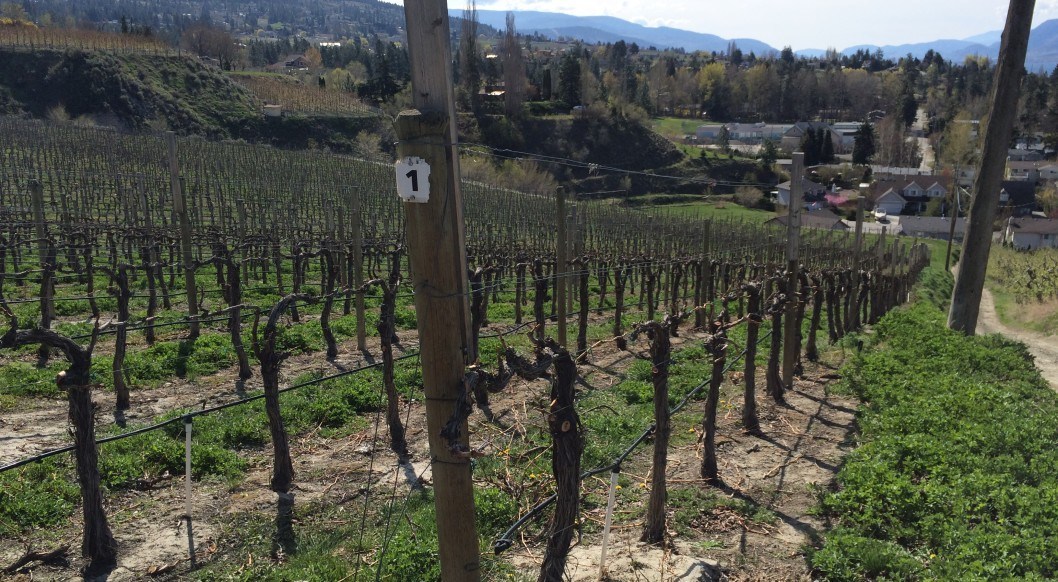
BC’s Sampling & Tasting Policy Consultation – A Call for Change
This past Easter long weekend I had the pleasure of visiting a handful of wineries in Naramata, speaking to their owners, and or course sampling their products. The Naramata Bench offers a truly world class wine tasting and touring experience complete with modern facilities and stunning views of Lake Okanagan. It was fitting that on April 1, 2015 (the day before I left for wine country) the Liquor Control and Licensing Branch published its Sampling & Tasting Policy Consultation bulletin. Currently in British Columbia there is no maximum volume or quantity of free samples a winery, brewery or distillery is permitted to offer on its manufacturing site. I worry that may change.
Bill 27 – The “New” Liquor Control and Licensing Act
For liquor industry insiders the start of 2015 has been marked with frequent, and sometimes confusing, communications from the Liquor Control and Licensing Branch describing recent changes to the Regulation and new policies.
“Burt Reynolds” Shooters & Undercover Cops
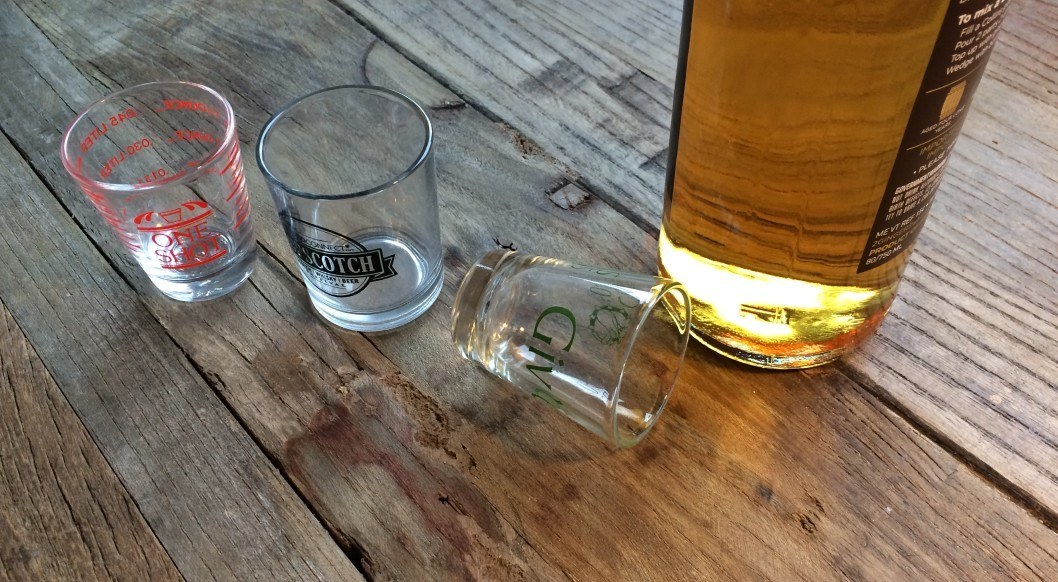
On July 15, 2014 the General Manager of the Liquor Control and Licensing Branch released its decision in the matter of re Boutique Lounge, case EH13-174.
Intoxicated Patrons: A St. Patrick’s Day Refresher
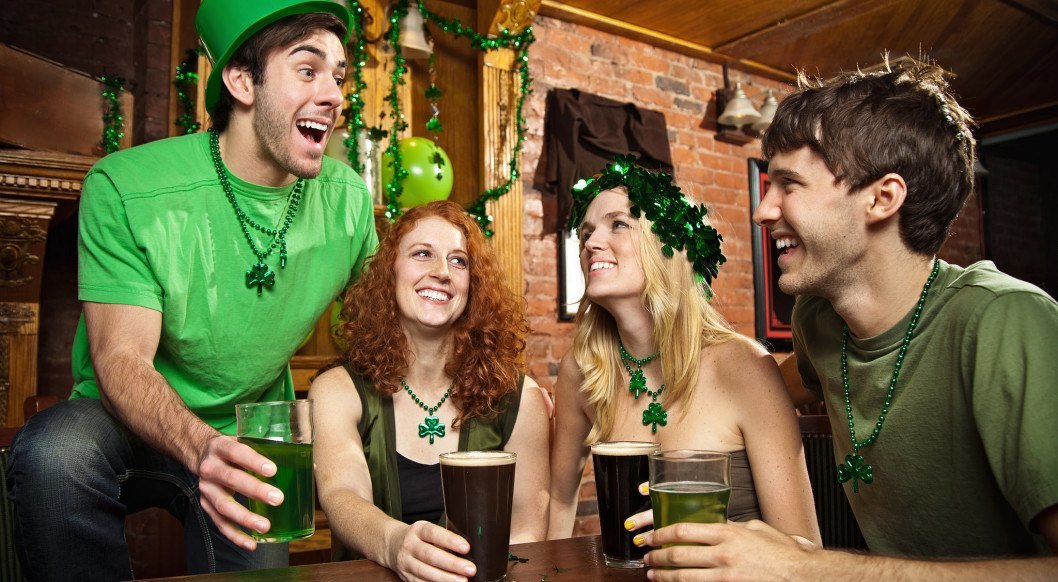
Today is St. Patrick’s Day which means big business for the bar industry. It also means that customers are likely to show up at your establishment early, and stay late. Other patrons will spend the day hoping between bars, stopping by for a pint or two before moving onto their next destination. The day should be profitable, and run smoothly, provided you have the proper staffing, security, and management in place.
Doing it Right: Stillwell Bar, Halifax, Nova Scotia
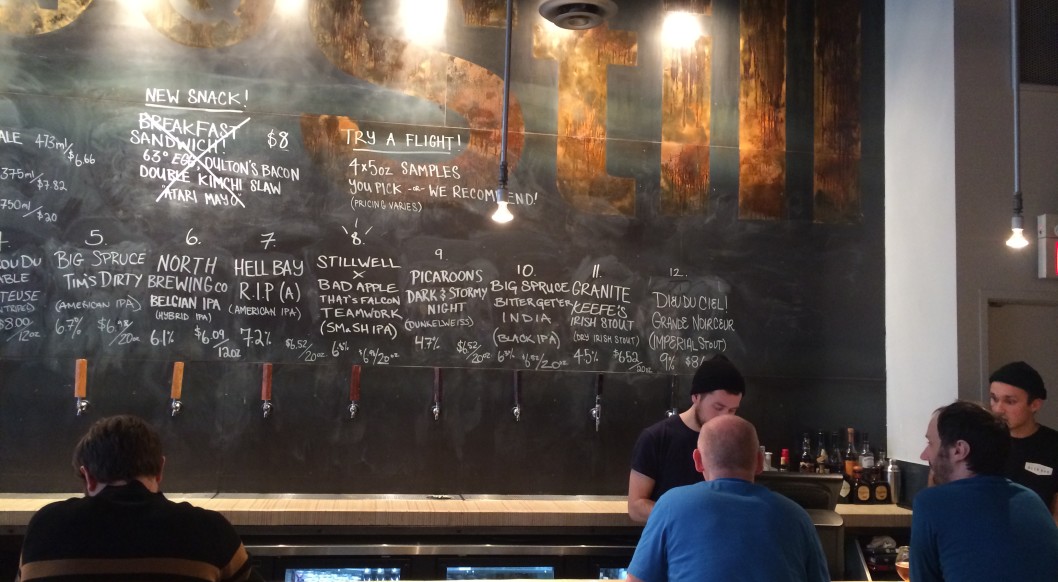
The bar industry is notoriously competitive. A pub can be packed one weekend, and be a ghost town the next. To survive bars and restaurants have to do a lot of things right. The same is true for breweries and distilleries. Vancouver is enjoying significant growth in the beverage industry at present, but consumers can be fickle, and there are no guarantees in this business.

Social Media and Advertising in the Bar and Beverage Industry
Clever advertising and an engaging social media presence are significant aspects of many successful businesses, and the hospitality and brewing industry is no exception. The competition for patron dollars and loyalty is fierce in British Columbia, particularly in Vancouver. With British Columbians enjoying an ever widening variety of locally made craft beer, wine and spirits and exciting new venues to consume them in, connecting with the public through creative and targeted advertising is more important than ever. Unlike other industries though, the liquor production and service industry is heavily regulated and those regulations control how a licensed establishment or manufacturer is permitted to advertise.
The Trouble with Casks
UPDATE: Beginning January 23, 2017 licensees will be permitted to infuse liquor and age cocktails at the establishment, provided it is done in a container other than the original container the liquor was in when legally purchased. All conditions outlined in the terms and conditions of a licence must be met when infusing liquor or ageing cocktails
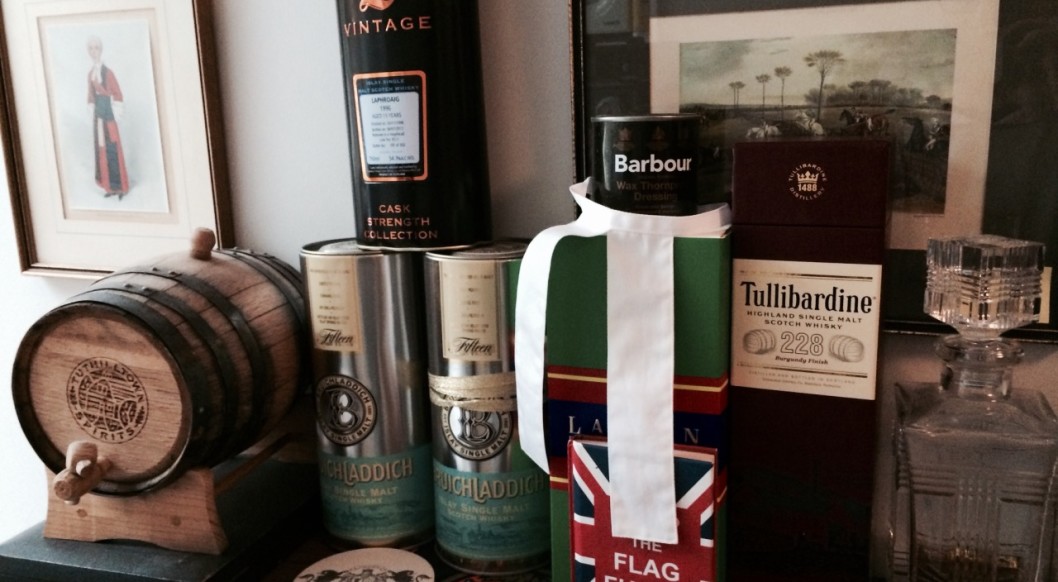
Barrel-aged cocktails (spirit-only mixtures aged in new or used oak casks) have become a popular fixture in craft cocktail bars across North America. Cocktails aged in oak can develop deep and complex flavours – breathing new life into classic concoctions. As this 2010 New York Times article reports, barrel-aged cocktails are being poured from San Francisco to Boston. They’re also being casked and poured in Vancouver. Unfortunately that is violation of the Regulation of the Liquor Control and Licensing Act as well as the terms and conditions contained in the Guide for Liquor Primary Licensees in British Columbia.