
- Home
- Author's Archive:

Restaurants Canada 2015 Report Card: Has British Columbia Raised the Bar?
Have you ever stopped to consider how strange it is that bars, restaurants and caterers in British Columbia (and most other provinces) pay the same for beverage alcohol as you or I would if we walked into our local government liquor store?

So you think you’re fit and proper?
Obtaining a liquor licence in British Columbia means meeting several criteria – some of them objective, others rather subjective.
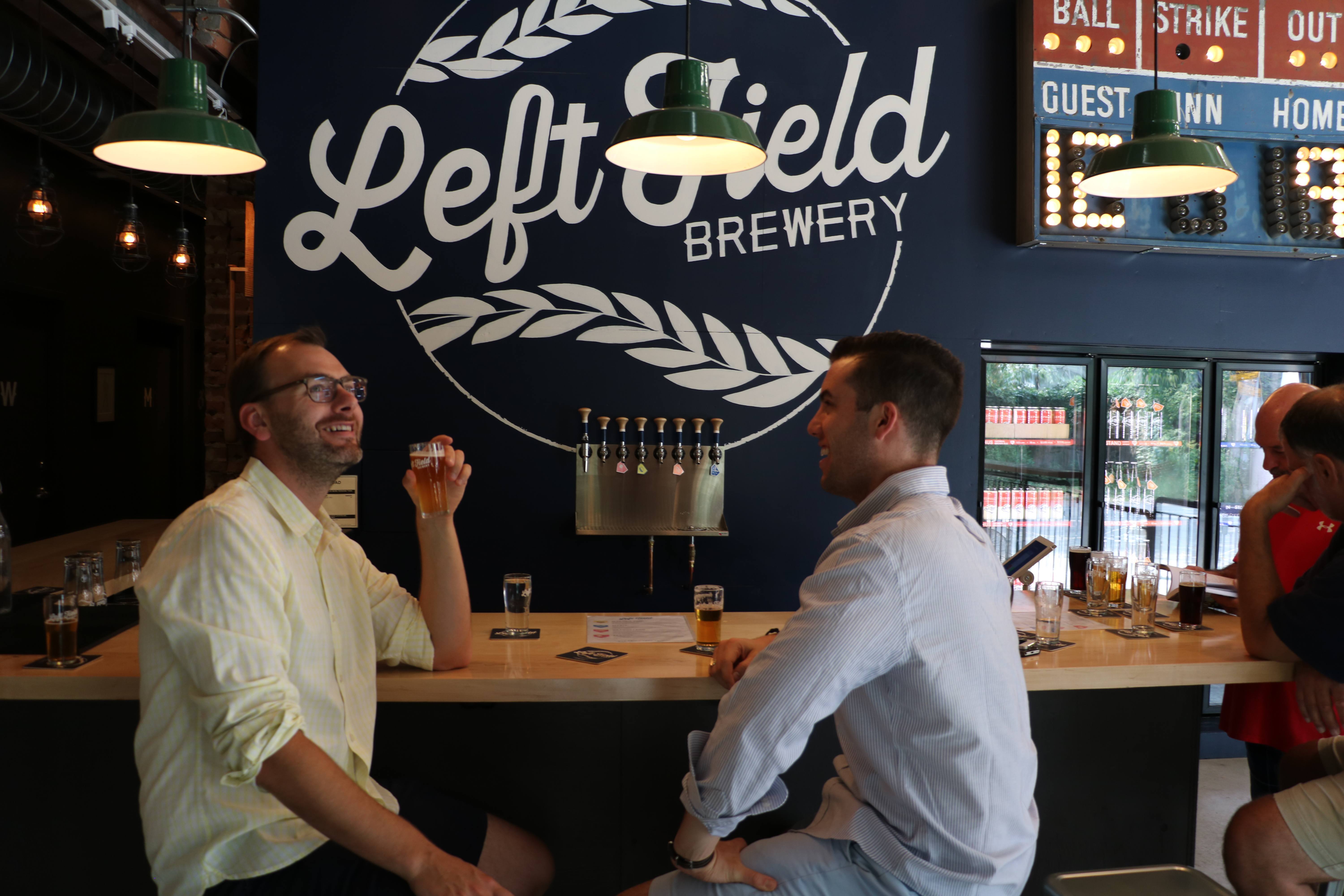
Doing it Right: Welcome to the Food Court
I had the good fortune of being in Toronto over the Labour Day weekend, which meant more than my fair share of late-night shawarma on the Danforth and Blue Jays baseball. It also allowed me the chance to catch up with my friend and colleague Glenford Jameson – and be a guest on his new podcast.
CSI BC: Illicit Liquor Edition
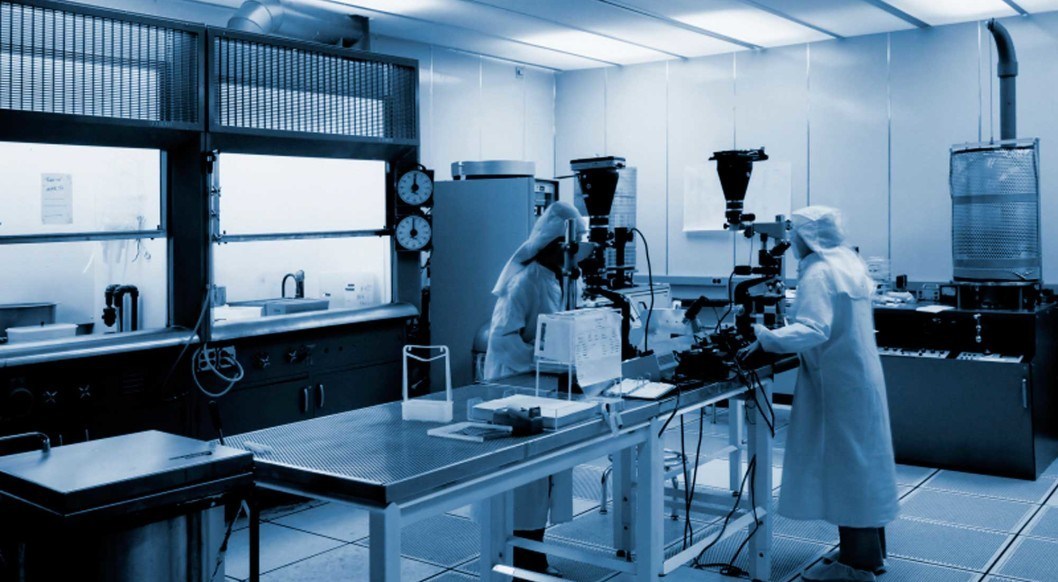
We have all had the experience: that niggling suspicion that the bar or nightclub we’re in is watering down its booze – or maybe that the liquor coming out of the bottle isn’t of the same quality as the label would suggest. Personally I’ve only ever felt that way in questionable nightclubs, but as the decision of the General Manager of the Liquor Control and Licensing Branch in re 395047 B.C. Ltd. dba Boston Pizza makes clear, even family-friendly chain restaurants can fall into the trap of cutting corners with their liquor supply.
BC Liquor Enforcement Branch Undercover Operations
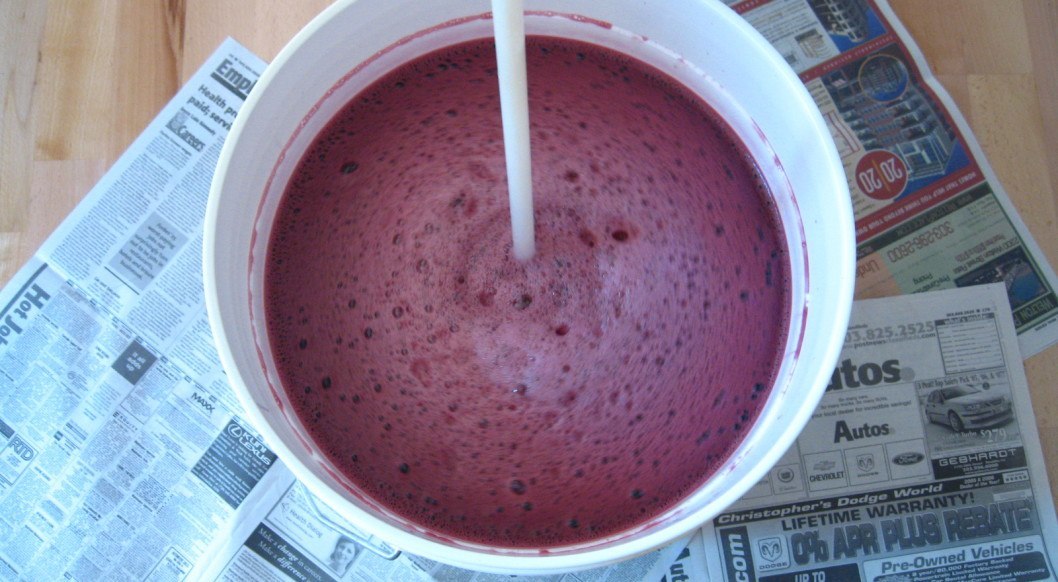
It’s not just retail stores and busy pubs that attract the attention of liquor inspectors and their masters at the Liquor Control and Licensing Branch. As the decision of the General Manager in re Tri-Cities Wine Kitz, case EH11-068, explains, even mild-mannered UBrew/UVins can attract the ire of the Compliance and Enforcement Program.
Liquor Law 101: The Administrative Regime
Alcohol & Advocacy routinely provides readers with an “insiders” look at how the liquor laws in British Columbia are written, interpreted, and applied. At A&A we often write about the Liquor Control and Licensing Branch making “decisions” and issuing licences as well as fines – this is what lawyers call “administrative law”. But what is admin law?

The Liquor Control and Licensing Branch
Ever wonder how the Liquor Control and Licensing Branch makes policy or decisions?
Canada’s Liquor Labelling Requirements Part 2
*Click here to read Pt. 1 of this article*
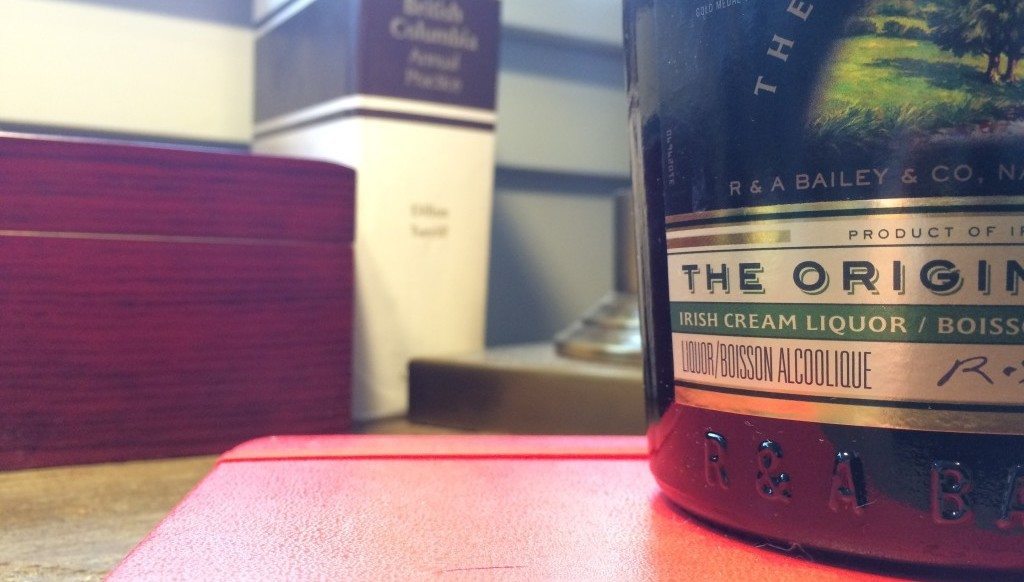
A beverage with alcohol by volume greater than 1.1% is considered an alcoholic beverage under the Food and Drug Regulations. The Regulations describe alcoholic beverages by their “common name” – which is another way of saying the category of liquor the beverage falls into (e.g. beer, wine, whisky).

Canada’s Liquor Labelling Requirements Part 1
This past week it came to light that people were dying in a slum of Mumbai, India, from drinking “tainted” moonshine. Over 150 people are suspected of having consumed the illicit methanol-laced liquor, and at the time of writing 94 people have died. Methanol, or methyl alcohol, is a highly toxic form of alcohol (sometimes used as anti-freeze or fuel), that is often added to bootlegged liquor as an easy way to increase the alcohol content. Ethanol, or ethyl alcohol, is the name of beverage-grade alcohol.
Doing it Right: The Business of Craft Beer
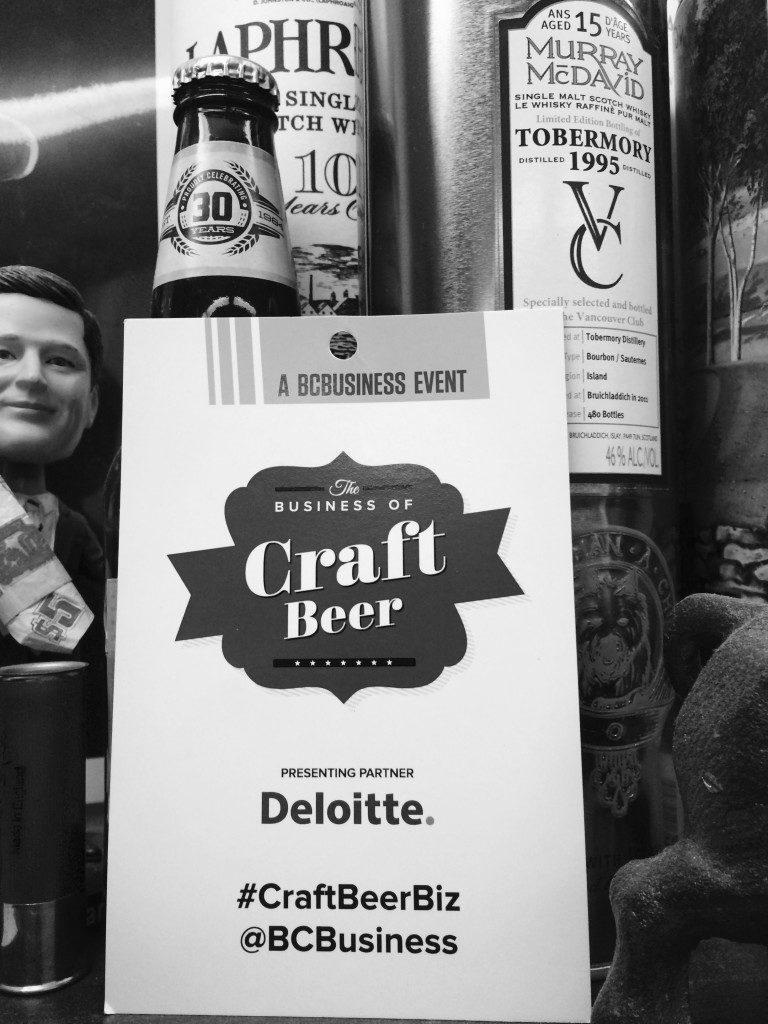
The #craftbeer community owes BCBusiness a debt of gratitude for kicking off Vancouver Craft Beer Week yesterday with its 2015 incarnation of the Business of Craft Beer event. The 250+ attendees at this industry-insider conference and trade show is a strong indication that brewing culture is alive and well in British Columbia.